
Choosing the Perfect Aratac Hockey Stick
Turn length, bow, composition and balance into a clear choice built around the way you actually play.
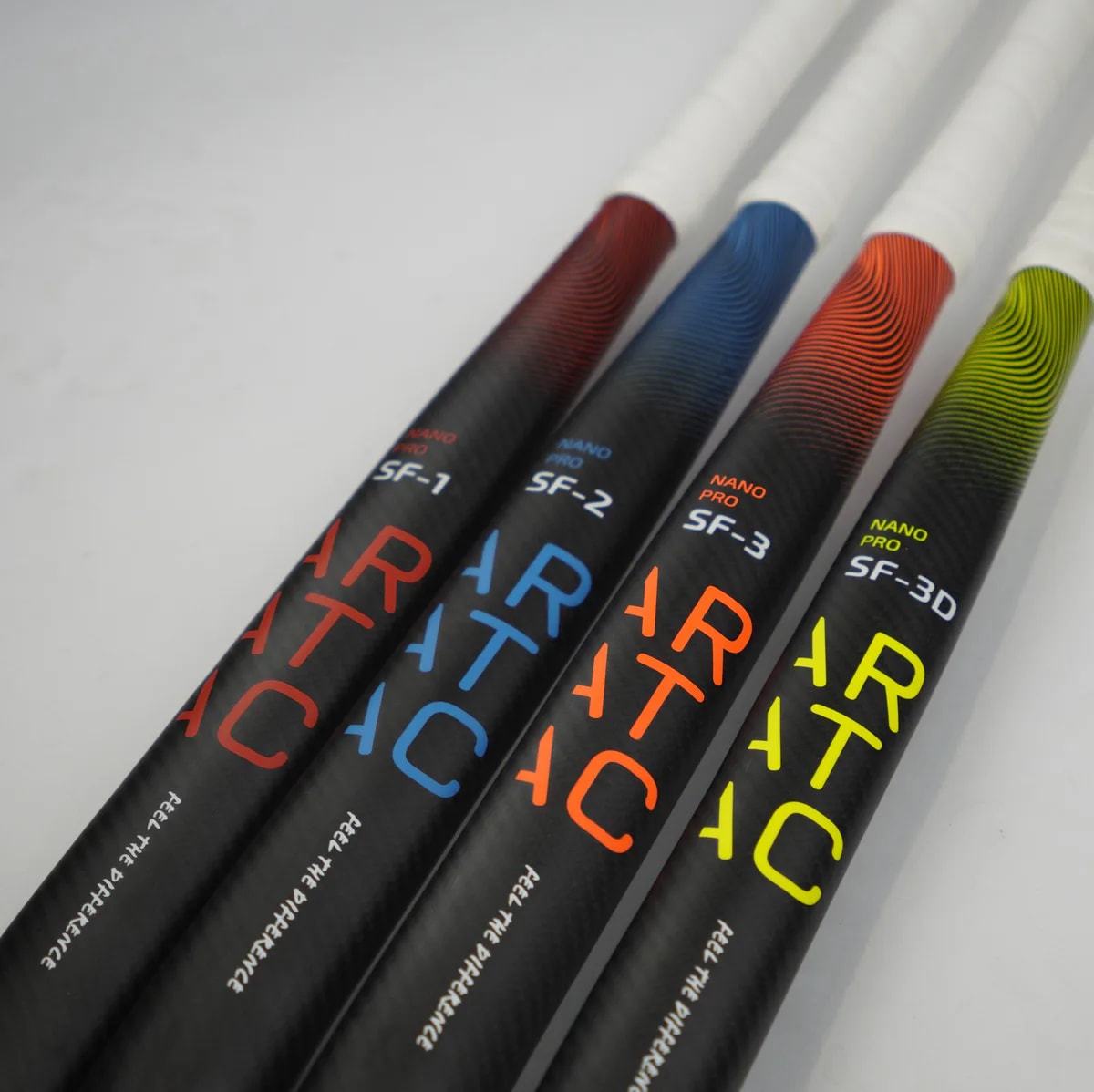
The quickest way to narrow the Aratac range is to answer three questions: which length already feels natural, where do you want the bow to work, and how firm do you like your first touch? Start there. Carbon percentage and price come after fit.
Your best choice should make the ordinary actions repeatable: a settled receive, a pass released on time and clean control when the pitch becomes crowded. One spectacular practice shot tells you far less.
Before you browse
Define what you want to keep and what should change
Use your current stick as evidence. Note its length, bow, composition and the way its weight sits in your hands. Then write down two things it does well and one limitation you genuinely notice in matches.
A clear brief might be: keep the familiar receiving feel, add easier access to lifted passes and avoid a head-heavy balance. That is more useful than shopping by position or experience level alone.
Step one
Get the length right
Height gives you a reliable starting point, but posture and reach decide the final fit. In your normal stance, the head should sit flat without forcing you to stretch or stand unnaturally upright. A longer stick may extend your reach; a shorter one may feel more agile around your feet.
For measurements and junior recommendations, use the full hockey stick size guide.
Step two
Match the bow to your repeatable skills
A mid bow offers a balanced platform for receiving, grounded passing and all-round play. A low bow moves more curve towards the head, which can support players who already use lifts, drag actions and deceptive changes of angle.
Do not choose an advanced profile because of one skill you hope to learn. Choose the profile that serves the actions you perform most often, then read our detailed low bow versus mid bow comparison.
Step three
Decide how firm you want the response to feel
Higher-carbon constructions commonly feel stiffer and more direct on clean contact. More blended composites can add flex and damping, producing a softer sensation at receive. Neither is automatically a higher level of hockey stick; they serve different preferences.
Carbon figures are not perfectly comparable between brands because the complete lay-up and geometry matter. Use our carbon content guide, then compare models within a range.
Final check
Test the whole stick, not one feature
Balance can make two sticks of similar total weight feel very different. Move through close dribbling, a receiving sequence, push passes and controlled strikes. Pay attention to contact quality and posture after several repetitions, not only the first swing.
If you cannot test on a pitch, compare specifications with your current stick and change one major variable at a time. A measured step is easier to adapt to than a completely different length, bow and stiffness all at once.
- Fit: natural posture and comfortable reach.
- Profile: supports the skills you use most often.
- Feel: clear feedback without disrupting first touch.
- Balance: easy to move through a full training sequence.