
Hockey Stick Size Guide: How to Find Your Best Fit
Use height as your starting point, then refine your stick length around posture, reach and the way you play.
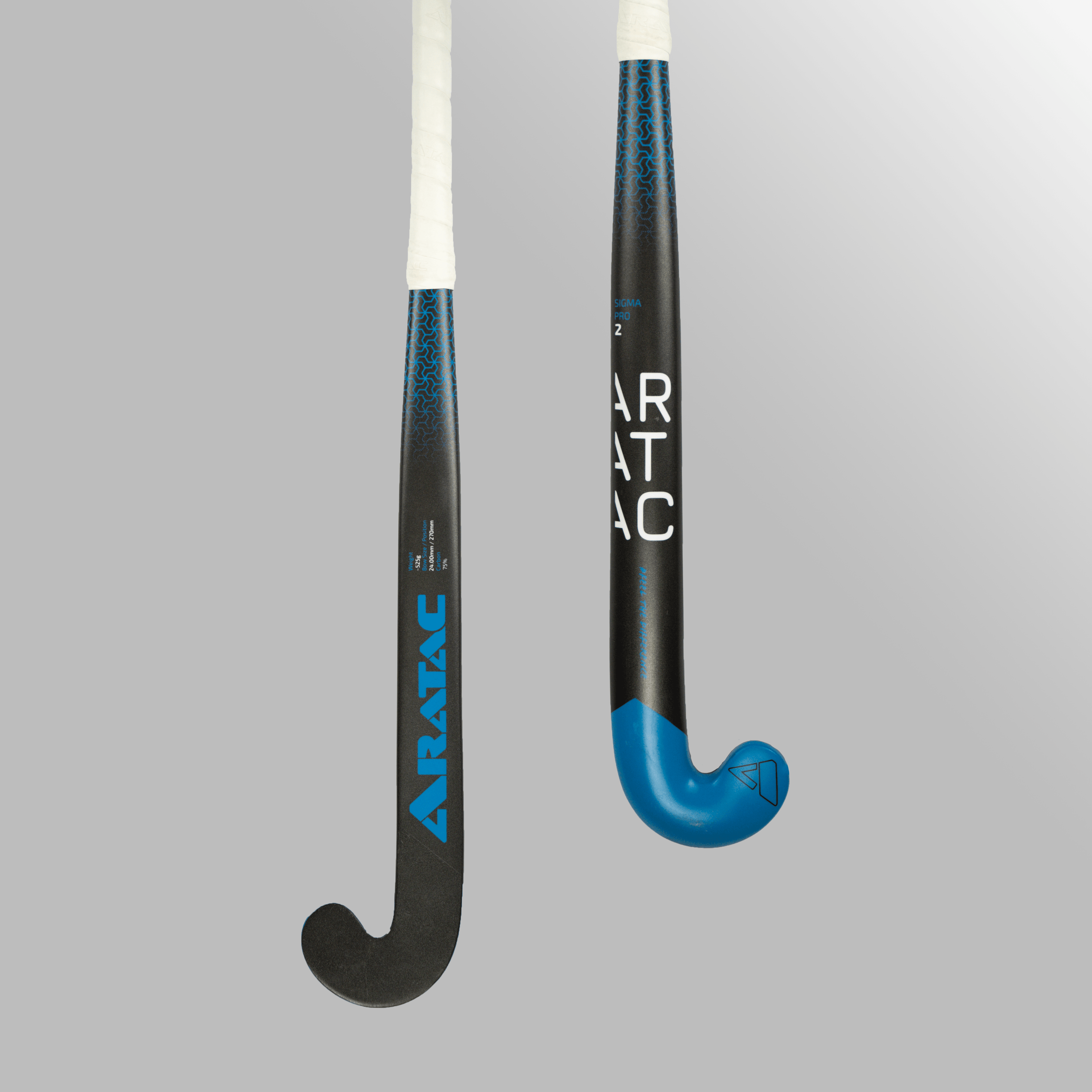
Stick length affects every touch: how naturally you get low, how far you can reach and how quickly the head moves in a crowded space. A height chart is a useful place to begin, but it is not the final verdict.
The best fit is the length that lets you receive, carry and pass in your normal hockey posture without stretching or feeling cramped. Start with the Aratac size chart, then use the checks below before you commit.
Starting point
Start with the size you actually need
These ranges match the sizes Aratac currently sells. Our shortest stick is 32″, so a much shorter child should try one with a coach or in store rather than being pushed into an oversized stick.
Once you have a likely size, move into your usual ready position. The head should sit flat in front of you without locked arms, badly rounded shoulders or an unusually upright stance.
- 32″: up to 4′6″ / 137 cm
- 34″: 4′7″–5′0″ / 138–152 cm
- 35″: 5′1″–5′3″ / 153–160 cm
- 36.5″: 5′4″–5′9″ / 161–176 cm
- 37.5″: 5′10″–6′4″ / 177–195 cm
- 38.5″: 6′5″+ / 196 cm+
On-pitch feel
Understand what a length change can do
A little more length may give you extra reach for tackles, interceptions and wide carries. A slightly shorter stick can feel quicker when the ball is close to your feet. Neither direction is automatically better, and a dramatic change can alter your hand position and timing.
- Longer: potentially more reach, with more stick to move in tight spaces.
- Shorter: potentially quicker close control, with less reach at full stretch.
- Current length: often the safest reference if your posture and touch already feel natural.
Junior fit
Choose for the player now, not a future growth spurt
An oversized junior stick can be awkward to swing and difficult to control, which may encourage a young player to stand too upright. It is usually more useful to choose a manageable current fit than to buy several sizes ahead.
Ask the player to dribble, stop and push the ball with relaxed hands. If the stick catches behind their feet, forces their hands unusually high or makes clean contact inconsistent, compare it with the next size down. A coach who regularly sees their movement can also offer valuable context.
Decision time
Use a short, repeatable fit test
If you are between two lengths, test both through the same sequence: ten close touches, five moving receives, five push passes and a controlled carry at pace. The better option is usually the one that keeps your posture stable and your contact clean across the whole sequence.
Length is only one part of the choice. Bow profile, weight balance and composition also shape the feel, so use our guide to choosing a hockey stick before comparing models.