Finding Your Hockey Position
A position is a starting point, not a label: find the role that makes the most of your decisions, movement and teamwork.
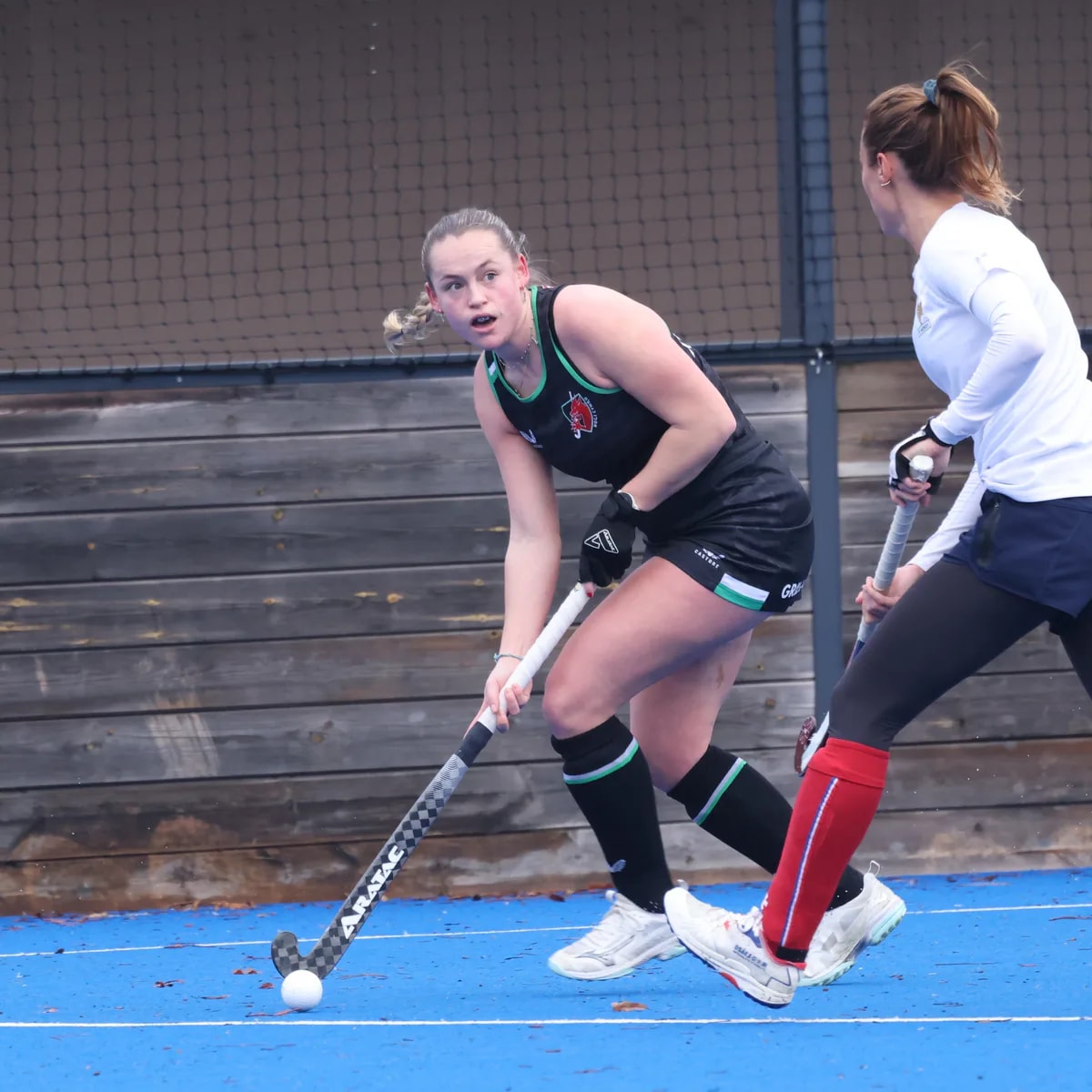
Most players do not discover one perfect position and stay there. You learn what suits you by noticing where you see the game early, where your first touch survives pressure and what your team needs on the day.
Try two roles with one clear question in each session, then ask your coach for one useful piece of feedback. The broad position labels below are a starting point, not a verdict on where you belong.
Self-assessment
Start with what you notice and enjoy
Think beyond your fastest sprint or hardest hit. Do you scan early, stay calm when pressed, enjoy organising others or anticipate where the next pass will go? Those repeatable behaviours often reveal more about a suitable role than one isolated skill.
- Decision-making: do you see the next option before receiving?
- Movement: do you prefer creating space, protecting it or covering large distances?
- Communication: are you comfortable giving clear, early information?
- Temperament: do you stay composed after mistakes and under pressure?
Role overview
What each unit contributes
Goalkeepers protect the goal, organise the defensive unit and make rapid choices about angles and distribution. Defenders manage space, delay attacks, win possession and build the first phase with accurate passes.
Midfielders connect the team. They scan continuously, offer passing angles and balance attacking ambition with recovery work. Forwards stretch defenders, press with purpose and create scoring opportunities through leads, touches and well-timed circle movement.
Within the lines
Central and wide roles ask different questions
A central defender may see more of the pitch and organise the line, while a wide defender often has space to carry forward. A central midfielder works in traffic and changes the direction of play; a wide midfielder connects touchline width with inside support. A central forward occupies dangerous areas, while a wide forward may create separation before attacking the circle.
Team formation changes these details. Focus on the responsibility your coach gives you — the spaces to occupy, opponents to track and options to provide — rather than the name printed on a team sheet.
Development
Try roles with a question in mind
Spend a block of training in two or three positions and choose one observation target for each session. You might count how often you scan before receiving in midfield, hold the correct defensive distance or arrive in the circle at the right moment.
Ask your coach where your decisions helped the team and what limited you. The aim is not to find a permanent label immediately; it is to identify a role to develop now while building enough understanding to adapt later.